%2Ffit-in%2F250x250%2Fguide_websites%2F57251%2Fimages%2F1765348693806498526920_122100363458874099_7231630791777869940_n.jpg&w=1920&q=100)
/users/701776bb-6e8a-442b-9c9b-04c592fe9bfa/ratecard/586277474_122150797880874099_3152535498936685102_n-mizlpwrr.jpg)
%2F300x300%2Fusers%2F701776bb-6e8a-442b-9c9b-04c592fe9bfa%2Fratecard%2F586277474_122150797880874099_3152535498936685102_n-mizlpwrr.jpg&w=256&q=75)
%2F300x300%2Fusers%2F701776bb-6e8a-442b-9c9b-04c592fe9bfa%2Fimages%2Ffishing-galveston-adventure-2670.jpg&w=256&q=75)
%2F300x300%2Fusers%2F701776bb-6e8a-442b-9c9b-04c592fe9bfa%2Fimages%2Ffishing-adventure-texas-2660.jpg&w=256&q=75)
%2F300x300%2Fusers%2F701776bb-6e8a-442b-9c9b-04c592fe9bfa%2Fimages%2Fredfish-haul-texas-2746.jpg&w=256&q=75)
%2F300x300%2Fusers%2F701776bb-6e8a-442b-9c9b-04c592fe9bfa%2Fimages%2Fsouthern-flounder-fishing-tx-2811.jpg&w=256&q=75)
%2F300x300%2Fusers%2F701776bb-6e8a-442b-9c9b-04c592fe9bfa%2Fimages%2Fbountiful-redfish-haul-tx-2737.jpg&w=256&q=75)
%2F300x300%2Fusers%2F701776bb-6e8a-442b-9c9b-04c592fe9bfa%2Fimages%2Fbest-fishing-trip-texas-2802.jpg&w=256&q=75)
%2F300x300%2Fusers%2F701776bb-6e8a-442b-9c9b-04c592fe9bfa%2Fimages%2Fredfish-fishing-galveston-2638.jpg&w=256&q=75)
%2F300x300%2Fusers%2F701776bb-6e8a-442b-9c9b-04c592fe9bfa%2Fimages%2Fgalveston-fishing-trip-2737.jpg&w=256&q=75)
%2F300x300%2Fusers%2F701776bb-6e8a-442b-9c9b-04c592fe9bfa%2Fimages%2Fanglers-galveston-fishing-2797.jpg&w=256&q=75)
%2F300x300%2Fusers%2F701776bb-6e8a-442b-9c9b-04c592fe9bfa%2Fimages%2Fredfish-fishing-galveston-2715.jpg&w=256&q=75)
Galveston Nearshore Fishing: Premium 8-Hour Trip
 Galveston
What you will be catching:
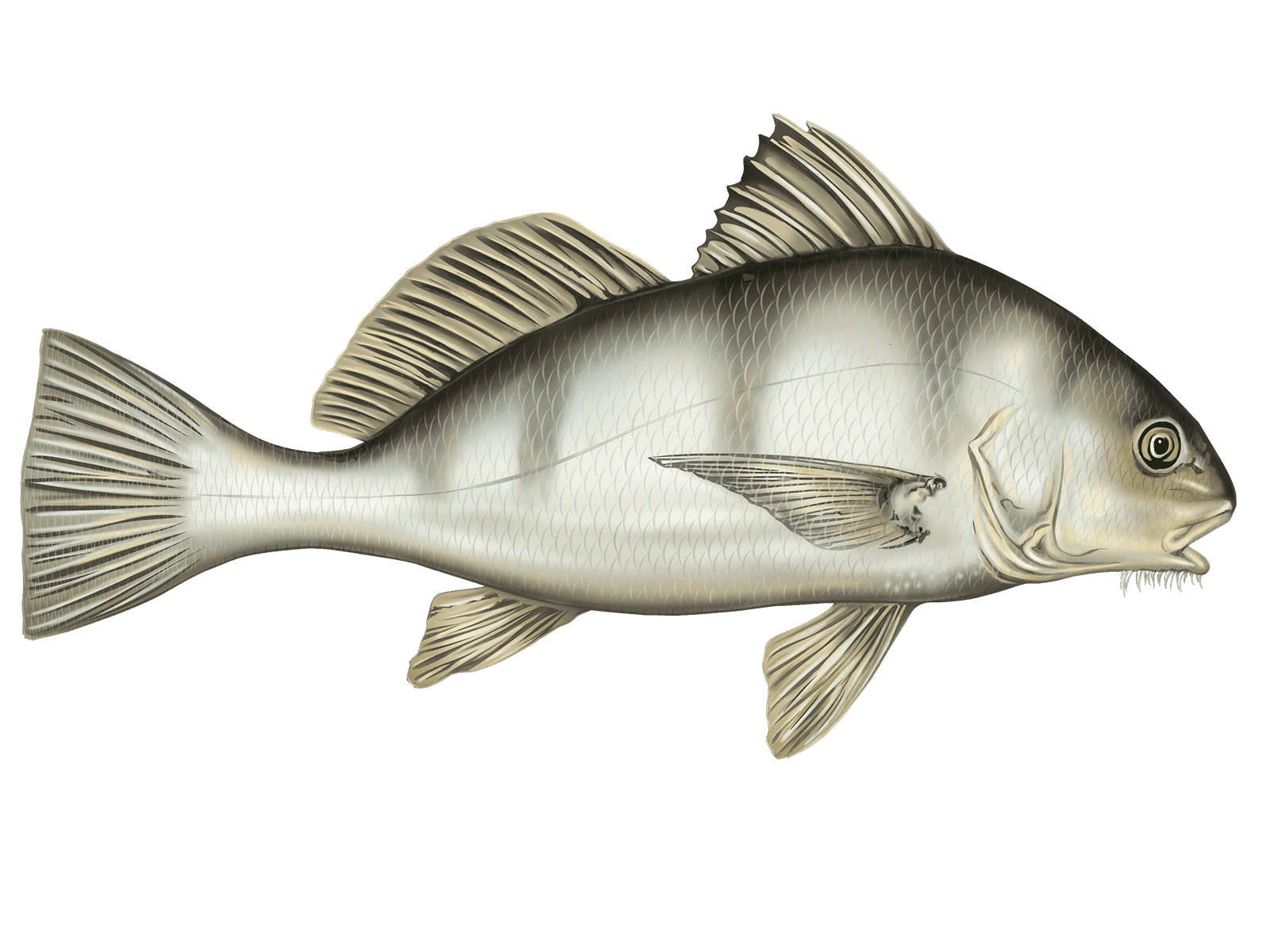
 Black Drum
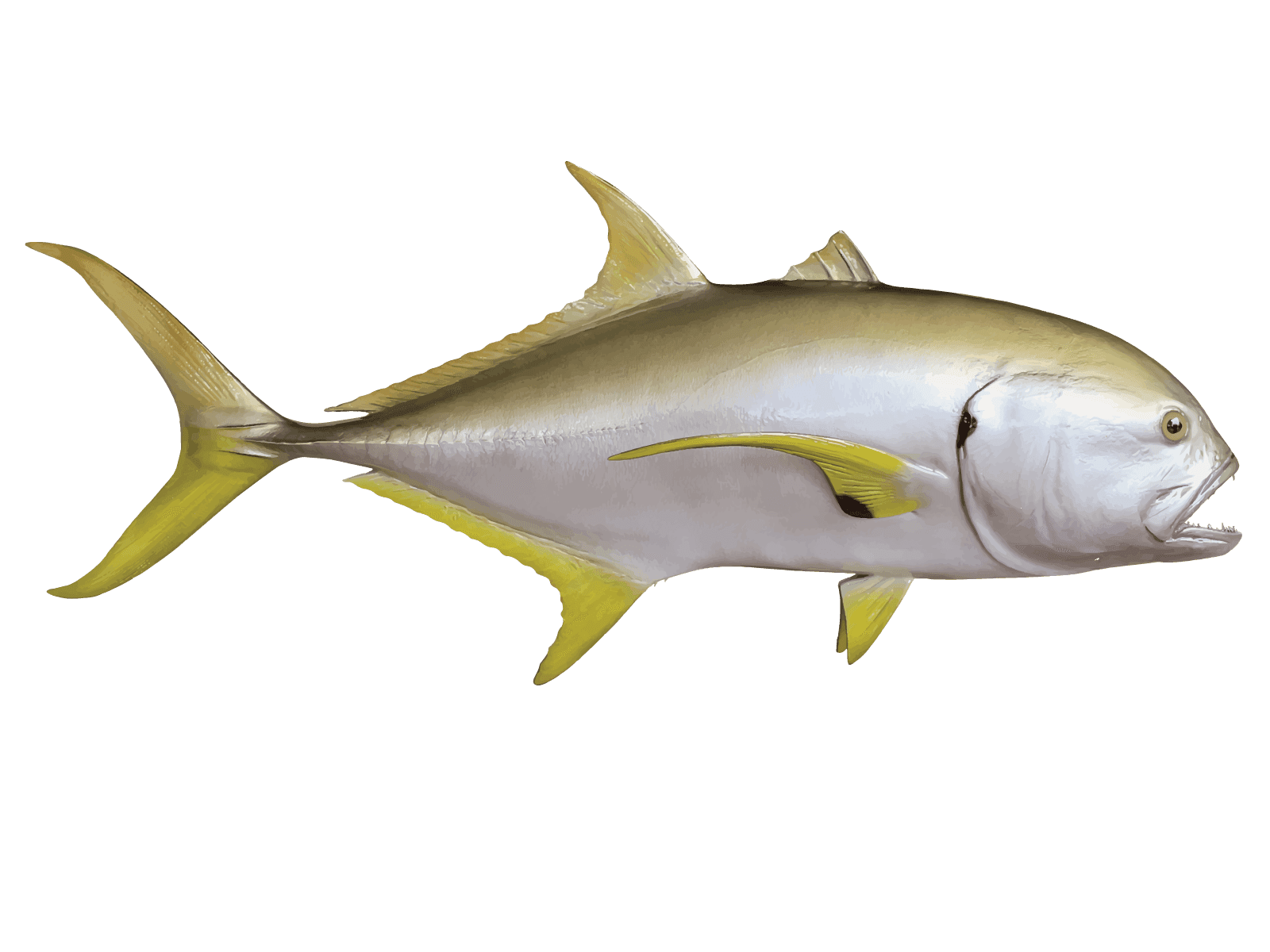
 Crevalle Jack
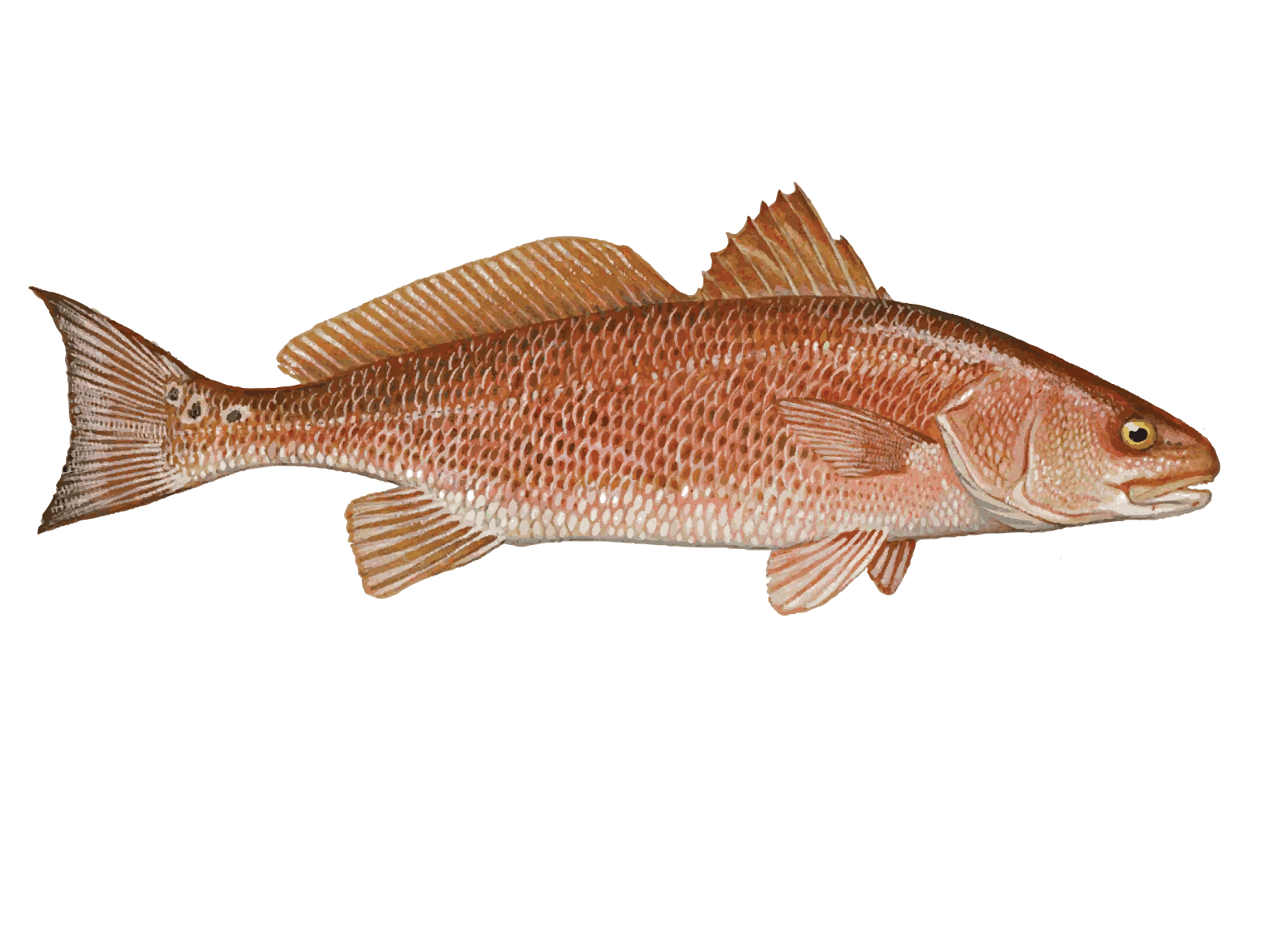
 Redfish
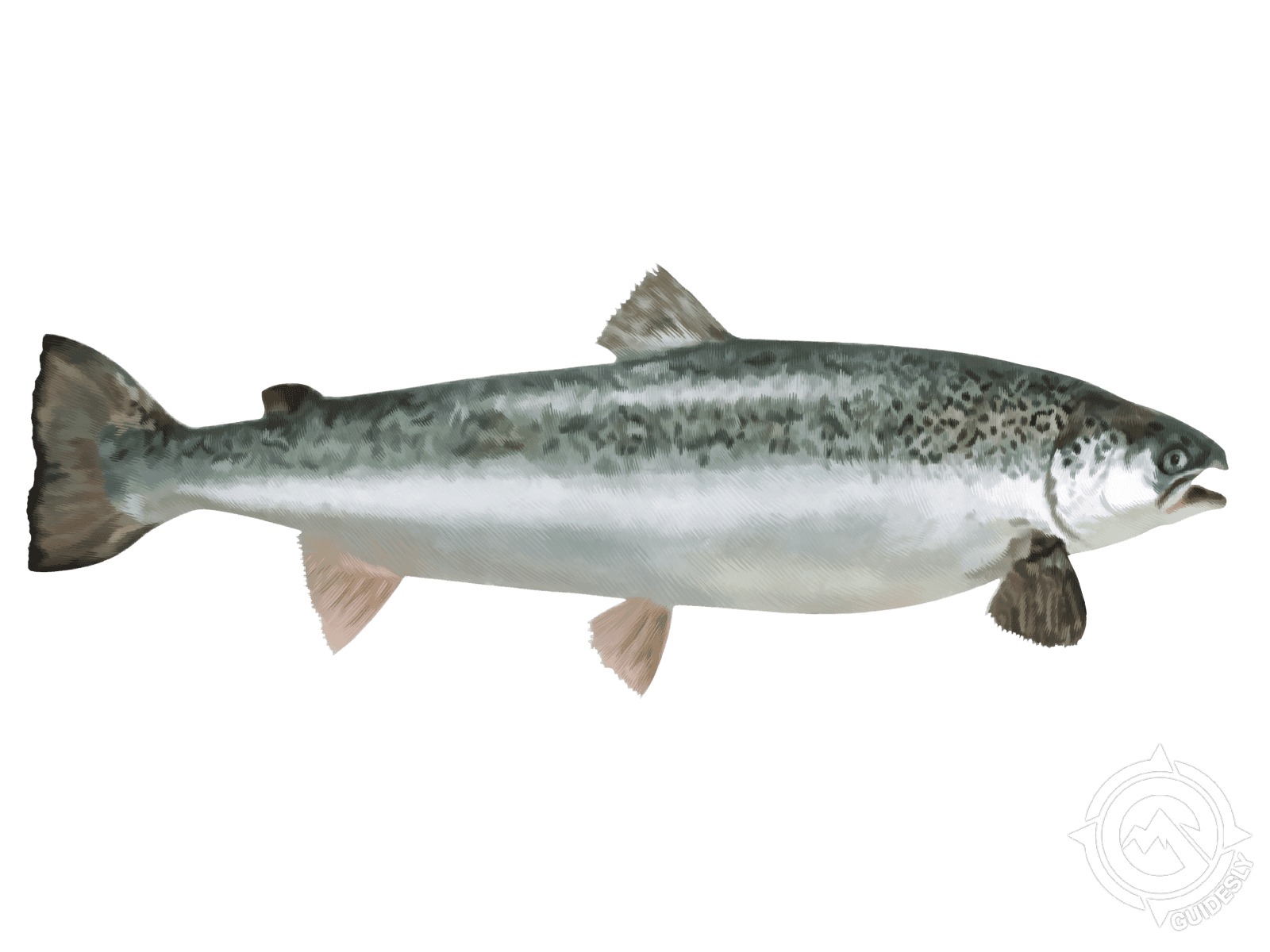
 Sea Trout
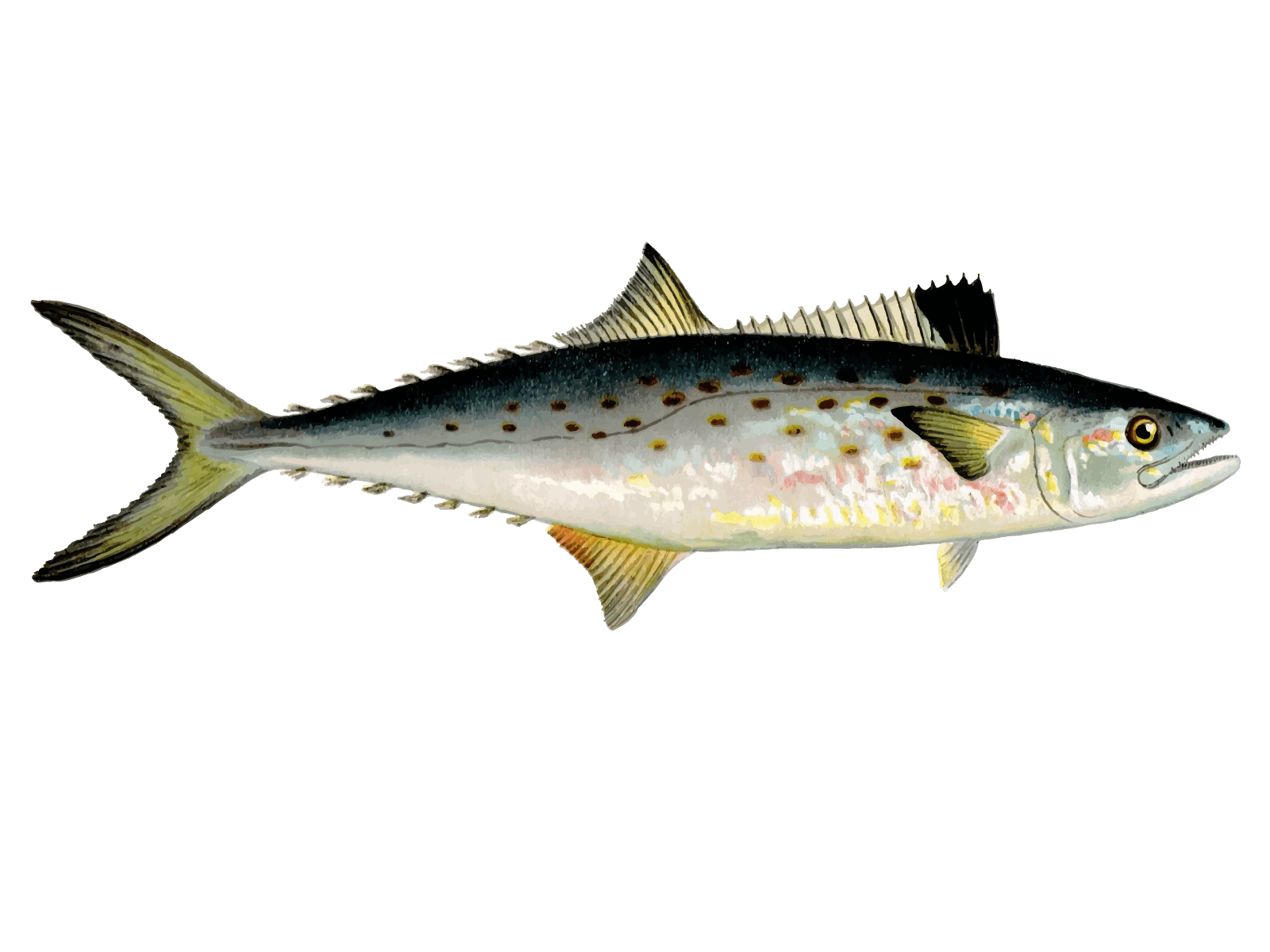
 Spanish Mackerel
- Full-day 8-hour offshore fishing excursion targeting multiple species
- All equipment, bait, and tackle provided for up to six anglers
- Departure at 7 AM with experienced captain and seasonal species variety
Trip Pricing and Availabilities:
Galveston Nearshore Fishing: Rigs & Reefs
Ready for some serious Gulf action? This 8-hour nearshore trip out of Galveston is your ticket to hooking into some of the best fishing Texas has to offer. We're talking state-water rigs, artificial reefs, and the chance to tangle with everything from hard-fighting kingfish to tasty red snapper (when in season). Whether you're a seasoned angler or just getting your feet wet, our experienced captains know how to put you on the fish and keep those rods bending all day long.
What's the Deal?
We'll shove off at 7 AM sharp, giving us plenty of daylight to work with. The base price covers three anglers, but we can accommodate up to six if you've got a bigger crew. All the gear you need is on board - rods, reels, tackle, and bait. We'll mix it up between live bait and artificials, depending on what's working best that day. Just remember to grab your Texas fishing license before you come, and don't forget to factor in a 15-20% tip for the captain if you like the service. Oh, and heads up - deposits are non-refundable, so make sure you're good to go before you book.
Rigging Up for Success
Nearshore fishing is all about versatility. We might start the day bottom fishing around the rigs, dropping cut bait or jigs for snapper and grouper. If the kingfish are running, we'll switch gears and troll with live bait or spoons. For the shark hunters out there, we can set out some bigger baits and see what cruises by. The beauty of fishing these waters is you never know what might show up - could be a school of jack crevalle busting the surface or a cobia hanging around the rig legs. We've got the know-how and the gear to adapt on the fly, making sure you're always in the game.
Top Catches This Season
Anglers have been crushing it on the nearshore grounds lately. The kingfish bite has been on fire, with smokers in the 30-40 pound range not uncommon. Red snapper fishing has been lights out during the open season, with plenty of keeper-sized fish coming over the rails. We've even had a few lucky folks hook into some big sharks - nothing gets the heart pumping like watching a 6-foot spinner leap clear of the water! The variety out here is what keeps folks coming back for more.
Species You'll Want to Hook
Kingfish: These speedsters are the bread and butter of nearshore fishing. Known for blistering runs and acrobatic jumps, kingfish will test your drag and your nerves. They typically show up in good numbers from late spring through fall, with peak action in the summer months. Expect fish in the 10-30 pound range, with bigger specimens always a possibility.
Red Snapper: When the season's open, these are the star of the show. Prized for their firm, white flesh and hard-fighting attitude, red snapper are the ultimate eating fish. They love structure, so we'll target them around the rigs and reefs. The bigger ones, often called "sow" snapper, can top 20 pounds and put up one heck of a battle on the way up.
Sharks: From blacktips to bulls, shark fishing adds an element of excitement to any trip. We practice catch and release with these apex predators, focusing on conservation. Depending on the species, you might be in for a long, strength-testing fight. It's not uncommon to hook into 5-6 footers, with larger specimens always a possibility.
Cobia: Also known as ling, these curious fish often show up around the rigs and can be sight-fished. They're strong fighters and excellent table fare. Cobia typically start showing up in the spring and stick around through the summer. A 30-pounder is a good catch, but they can grow much larger.
Jack Crevalle: If you want a pure test of strength, hope we run into a school of jacks. These bulldogs of the sea will make you question your workout routine. While not prized for eating, they're some of the hardest fighting fish pound-for-pound you'll encounter. They can show up any time of year but are most common in the warmer months.
Time to Book Your Spot
Look, if you're itching to bend a rod and fill the cooler, this Galveston nearshore trip is hard to beat. You've got the potential for non-stop action, a wide variety of species, and the chance to bring home some of the best-eating fish in the Gulf. Our captains know these waters like the back of their hand and are committed to putting you on the fish. Whether you're a local looking for a solid day on the water or a visitor wanting to experience the best of Texas Gulf fishing, we've got you covered. Spots fill up fast, especially during peak seasons, so don't wait to lock in your date. Get ready to make some fishing memories that'll have you coming back for more!
Learn more about the animals
Black Drum
Black Drum are bottom-dwellers you'll find around oyster reefs and muddy flats. Adults can get huge - over 30 pounds - but the best eating size is 5-15 pounds. Look for them in 3-6 feet of water, often tailing as they root for crabs and shrimp. Spring is prime time when they school up to spawn. Black Drum put up a stubborn, bulldogging fight. They're not the fastest, but they've got stamina. Anglers love targeting them for the challenge and good table fare. Fresh peeled shrimp or crab on a fish-finder rig is hard to beat. If you're sight-casting, a gold spoon can trigger strikes. Listen for their distinctive croaking sound - it can give away their location. For best results, fish the falling tide when water is pulling off the flats. The bigger ones can be wormy, so stick to slot-sized fish for the dinner table.
Crevalle Jack
Crevalle Jacks are the bulldogs of the bay, known for their brutal fights. Most run 3-10 pounds, but they can get up to 30+ pounds offshore. Look for them busting bait schools in open water or around structure. They're here spring through fall, with peak action in summer. Jacks aren't prized for eating, but they're a blast to catch. Their powerful runs will put your tackle to the test. Watch for birds diving on bait - that often means jacks are feeding below. Topwater lures, spoons, or live bait all work well. Cast into the frenzy and hang on tight. One local trick: when you see a school feeding, motor upwind and drift into them quietly. Big jacks can be leader-shy, so use at least 30-pound fluorocarbon. And be ready for that first run - it's usually their strongest. Just don't forget your fish grips - those teeth are sharp!
Redfish
Redfish, or Red Drum, are one of our most popular inshore species. They typically range from 20-30 inches and 3-12 pounds, with some bulls over 40 inches. You'll find them tailing in shallow grassy flats or cruising near oyster reefs in 1-4 feet of water. Fall is prime time when they school up, but you can catch them year-round. Redfish are known for their powerful runs and hard-pulling fights, especially in shallow water. They're also great eating. Look for their copper color and distinctive tail spot. Gold spoons, soft plastics, or cut mullet all work well. One local tip: on calm days, cruise the flats and look for their tails sticking up as they feed. Cast well ahead of them and slowly retrieve your lure. The bite is often best on a falling tide when water is draining off the flats. Just watch out for those crushing strikes - they'll test your drag for sure.
Sea Trout
Sea Trout, or Speckled Trout, are a staple of our inshore fishing. Most run 14-20 inches and 1-3 pounds, with some gators pushing 5-8 pounds. They hang around grass flats, channels, and shell pads in 2-6 feet of water. Fall and spring are peak seasons as they follow bait migrations. Trout are known for their soft mouths, so a gentle hookset is key. They're fun on light tackle and make excellent table fare. Live shrimp under a popping cork is deadly, but soft plastics work great too. Try topwater lures at dawn and dusk for exciting strikes. One local trick: find slicks (oily spots) on the water - that's often a sign of trout feeding below. They tend to hold in deeper holes when it's hot, so drift those areas with live bait. For the best action, time your trip around moving tides when trout are actively feeding.
Spanish Mackerel
Spanish Mackerel are fast-swimming predators that often cruise in large schools near the surface. They typically range from 1-2 feet long and 2-4 pounds. You'll find them in open waters around the state-water rigs, especially in warmer months. These fish are known for their aggressive strikes and tasty meat. When targeting Spanish Mackerel, keep an eye out for birds diving on bait schools. Trolling small spoons or jigs behind the boat is effective. For a real thrill, try casting topwater lures into feeding frenzies - the hits can be explosive. Spanish Mackerel put up a great fight on light tackle. Their flaky white meat is excellent grilled or smoked. Just be careful of the razor-sharp teeth when unhooking them. A wire leader is a must, or you'll lose a lot of lures. The bite is usually best early morning or late afternoon when they're actively feeding.
About the Second Chance Fishing Charters
%2F%2Fusers%2F701776bb-6e8a-442b-9c9b-04c592fe9bfa%2Fvehicle_picture%2F591471779_122152433846874099_2040849292659466581_n-mizk5oxw.jpg&w=1920&q=75)
Vehicle Guest Capacity: 6
Manufacturer Name: Honda
Maximum Cruising Speed: 40
Number of Engines: 1
Horsepower per Engine: 200